
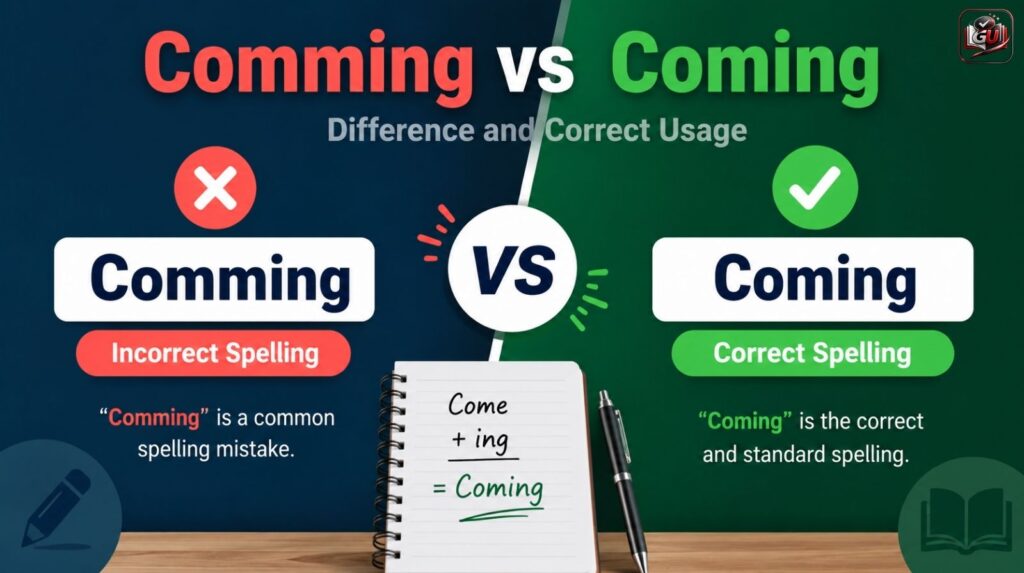
Have you ever written “comming” and then wondered if it was actually correct? You’re not the only one. This is a common spelling mistake because English often follows patterns that can be misleading. When people see words like running and sitting, it’s easy to assume that come should become comming too.
However, that’s not how this word works. The correct spelling is coming, and understanding why is simpler than you might think. In this guide, we’ll break down the difference between comming vs coming, explain the spelling rule behind it, look at real-life examples, and share an easy trick to help you remember the correct form every time.
What Is the Difference Between Comming and Coming?
The short answer is simple:
| Word | Correct? | Meaning |
|---|---|---|
| Coming | ✅ Yes | Moving toward someone or something; arriving |
| Comming | ❌ No | Incorrect spelling in modern English |
The word coming is the correct present participle and gerund form of the verb come.
Examples of Correct Usage
- I am coming to the meeting.
- The train is coming soon.
- Winter is coming.
- She said she was coming home late.
Examples of Incorrect Usage
- ❌ I am comming tomorrow.
- ❌ He is comming to school.
- ❌ The package is comming today.
In every standard English dictionary and grammar guide, coming is the accepted spelling.
Why the Confusion Happens
Many English words double the final consonant before adding -ing:
- Run → Running
- Sit → Sitting
- Swim → Swimming
Because of these examples, some writers mistakenly assume:
- Come → Comming ❌
However, English spelling follows different rules for words ending in silent e.
Why Is “Coming” the Correct Spelling?
Understanding the spelling rule makes this mistake much easier to avoid.
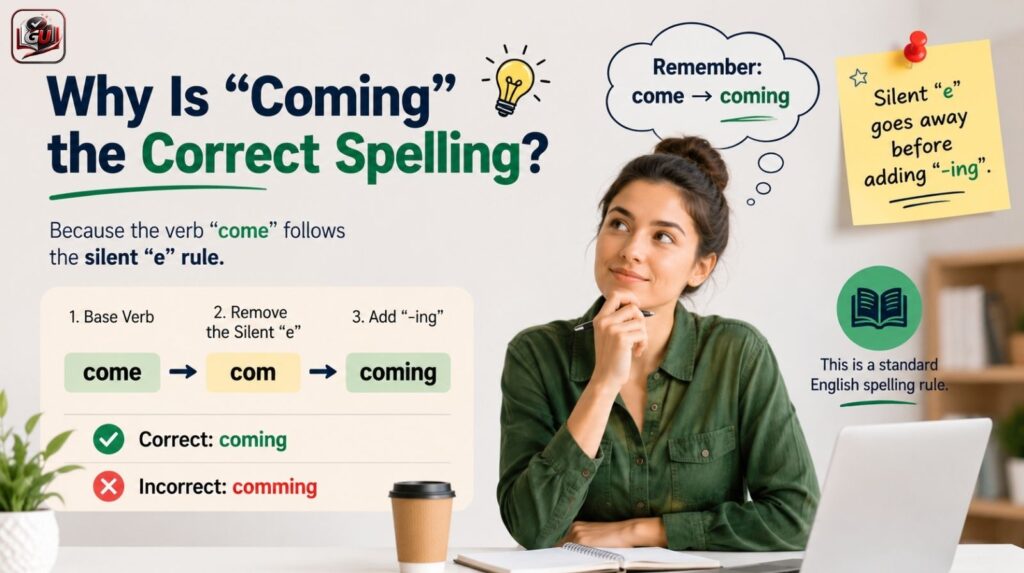
The Silent “E” Rule
When a verb ends with a silent e, the e is usually removed before adding -ing.
Examples:
| Base Verb | + ing Form |
|---|---|
| Come | Coming |
| Make | Making |
| Write | Writing |
| Drive | Driving |
| Bake | Baking |
The same rule applies to come.
Step-by-Step Breakdown
Step 1: Start with the Base Verb
Come
Step 2: Remove the Silent E
Com
Step 3: Add -ing
Coming
This creates the correct word:
✅ Coming
Not:
❌ Comming
Understanding the Grammar Rule
The final consonant is only doubled in specific situations. Since come already ends with a silent e, the correct process is simply removing the e before adding -ing.
Therefore, coming follows standard English spelling conventions.
Common Situations Where People Use “Coming”
The word coming appears frequently in everyday communication.
Coming as an Action Happening Now
Examples:
- I am coming right now.
- They are coming to the party.
- We are coming home after work.
Coming as Future Arrival
Examples:
- Summer is coming soon.
- A new update is coming next month.
- The holidays are coming quickly.
Coming in Expressions
English speakers often use coming in common phrases.
Popular Examples
- Coming soon
- Coming up next
- Coming home
- Coming back
- Coming forward
These expressions appear regularly in websites, advertisements, movies, and social media content.
Comming vs Coming: Side-by-Side Comparison
The easiest way to remember the difference is through direct comparison.
| Feature | Comming | Coming |
|---|---|---|
| Spelling Status | Incorrect | Correct |
| Found in Dictionaries | No | Yes |
| Accepted in Academic Writing | No | Yes |
| Accepted in Professional Writing | No | Yes |
| Common Typing Mistake | Yes | No |
| Recommended Usage | Never | Always |
Quick Rule
If you’re referring to someone arriving, approaching, returning, or moving toward something, use:
✅ Coming
Never:
❌ Comming
Real-Life Example: How a Simple Spelling Error Affected Professional Communication
A content writer managing a business website was preparing promotional banners for an upcoming product launch. The homepage headline displayed:
“New Features Comming Soon”
Initially, nobody noticed the mistake. However, after publication, several visitors pointed out the spelling error through customer feedback forms.
The issue seemed minor, but it created an unintended impression. Potential customers questioned the professionalism of the website. Some users even shared screenshots of the mistake on social media.
The marketing team quickly corrected the headline to:
“New Features Coming Soon”
After updating the content, the website maintained a more professional appearance, and the company avoided further negative feedback.
This example demonstrates how even a single spelling error can influence credibility. Whether you’re writing blog posts, emails, advertisements, or social media captions, correct spelling helps build trust with readers.
The lesson is simple: always double-check words that are commonly misspelled, especially high-visibility terms like coming.
Common Mistakes People Make With Coming
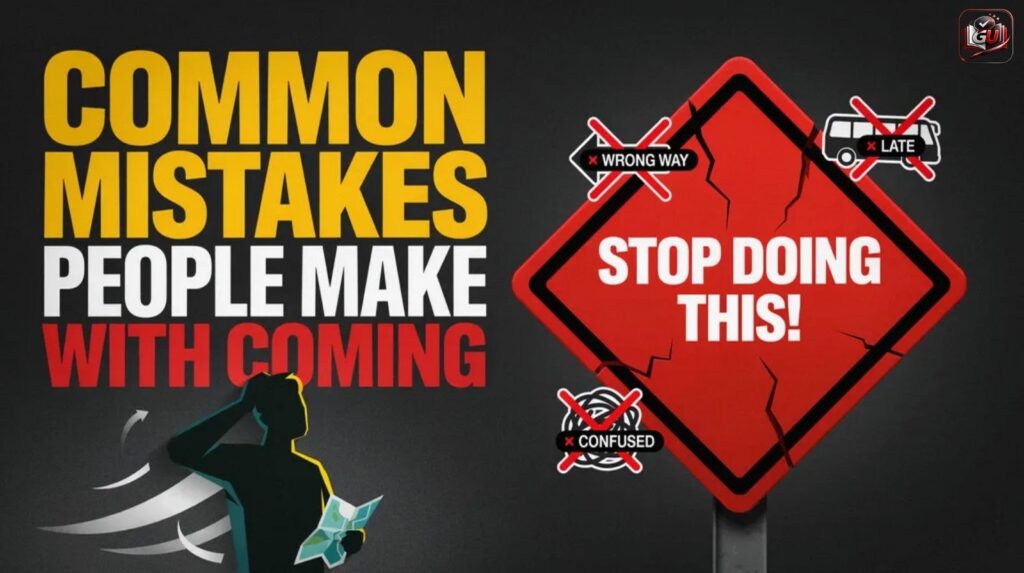
Many spelling mistakes occur because writers apply the wrong grammar rule.
Mistake 1: Doubling the Wrong Letter
People often think:
- Run → Running
- Swim → Swimming
Therefore:
- Come → Comming ❌
This logic does not apply because come ends with a silent e.
Mistake 2: Typing Too Quickly
Fast typing frequently creates:
- comming
- commimg
- comng
Proofreading helps eliminate these errors.
Mistake 3: Relying on Sound Alone
English spelling doesn’t always match pronunciation.
Because “coming” sounds like it might contain a double “m,” some writers mistakenly type:
❌ Comming
Instead of:
✅ Coming
How to Remember the Correct Spelling of Coming
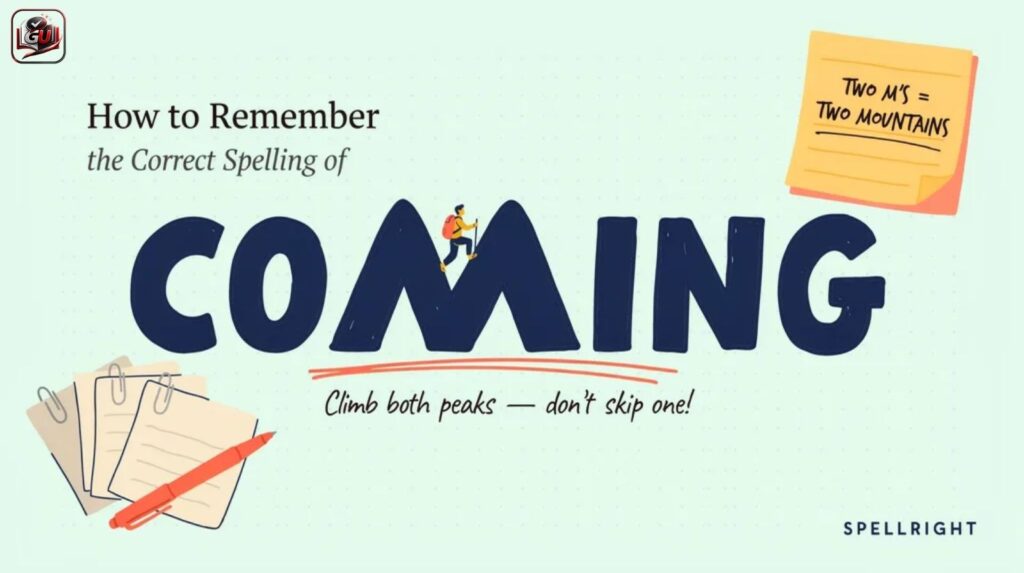
Remembering the correct spelling is easier than you might think.
Trick #1: Think of the Base Word
Start with:
Come
Remove the e and add -ing.
Result:
Coming
Trick #2: Compare with Similar Words
Look at these examples:
| Word | Correct Form |
|---|---|
| Make | Making |
| Bake | Baking |
| Write | Writing |
| Come | Coming |
Notice the consistent pattern.
Trick #3: Remember the Phrase
The phrase:
“Coming Soon”
appears everywhere online.
The more often you see the correct spelling, the easier it becomes to remember.
Data and Trends: How Common Is the Misspelling?
Language-learning platforms and spell-checking software continue to identify spelling mistakes as one of the most frequent writing errors online.
According to recent language technology reports from 2025, spelling correction remains one of the most-used features in digital writing tools. Common mistakes involving doubled consonants and dropped silent letters are among the most frequently corrected errors in English writing.
Research from grammar and writing platforms also shows that users often struggle with words that require adding -ing, especially when deciding whether to remove a silent e or double a consonant.
This explains why searches such as:
- “Is comming correct?”
- “Coming or comming?”
- “How do you spell coming?”
continue to receive significant attention from English learners and writers.
Trusted References
- Merriam-Webster Dictionary
- Cambridge Dictionary
- Grammarly Writing Resources
Best Practices for Using Coming Correctly
Before Publishing Content
Check for:
- Spelling accuracy
- Grammar consistency
- Common typos
- Auto-correct mistakes
During Professional Writing
Always use:
- Coming soon
- Coming tomorrow
- Coming back
- Coming home
Never use:
- Comming soon
- Comming tomorrow
- Comming back
For Bloggers and SEO Writers
Misspellings can:
- Reduce credibility
- Affect user experience
- Increase bounce rates
- Create negative impressions
Correct spelling supports professional, trustworthy content.
FAQs
Q. Is Comming a Real Word?
A: No. Comming is not recognized as a standard English word and is considered a spelling mistake.
Q. Which Is Correct: Comming or Coming?
A: Coming is the correct spelling. Comming is incorrect.
Q. Why Doesn’t Coming Have Two M’s?
A: Because the verb come follows the silent e rule. The e is removed before adding -ing.
Q. How Do You Spell “Coming Soon”?
A: The correct phrase is:
Coming Soon
Never:
Comming Soon
Q. Is Coming Used in Formal Writing?
A: Yes. Coming is perfectly acceptable in academic, professional, and business writing.
Q. What Part of Speech Is Coming?
A: It can function as a present participle, adjective, or gerund depending on the sentence.
Q. Why Do People Misspell Coming?
A: Most people mistakenly apply consonant-doubling rules from words like running and swimming.
Conclusion
Understanding the difference between Comming vs Coming is actually quite simple once you know the spelling rule. Coming is the only correct form because the verb come follows the standard rule of dropping the silent e before adding -ing. The spelling comming is a common mistake and should be avoided in all forms of writing.
Whether you’re writing blog posts, emails, academic papers, or social media content, using coming correctly helps improve professionalism and clarity. The next time you’re unsure, remember this simple formula:
Come → Remove the E → Coming
Keep practicing correct spelling, proofread your work carefully, and you’ll never confuse comming vs coming again.
👉Keep learning with more easy grammar lessons on GrammerUpdate.com

Noor Fatima is a professional blogger specializing in spelling correction and grammar guidance. She creates clear, practical content to help readers avoid common mistakes, strengthen writing skills, and communicate with confidence in everyday and professional settings.