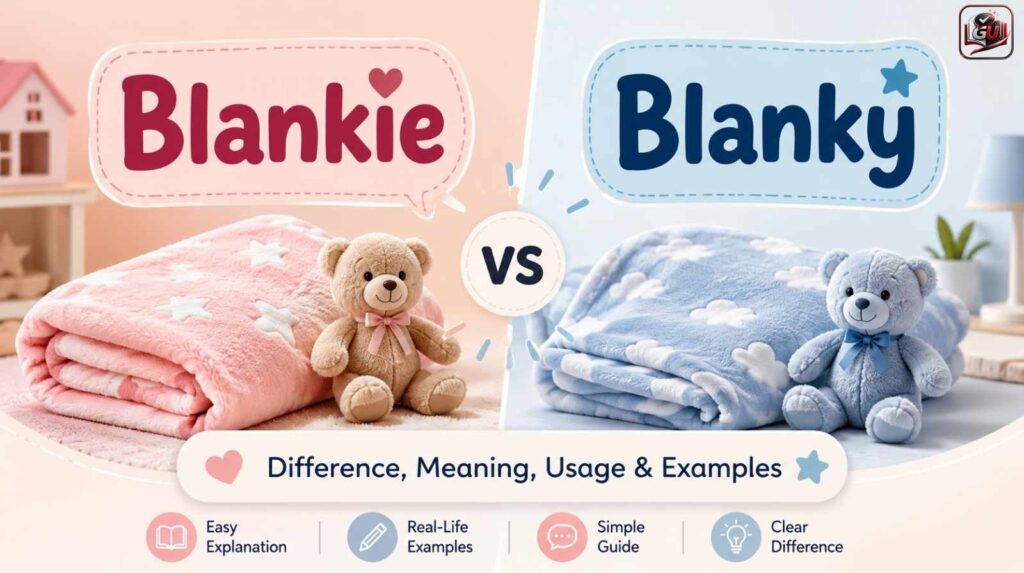
Sometimes, the smallest words create the biggest confusion in English. One common example is Blankie vs Blanky. Since both words sound exactly the same when spoken, many people end up using the wrong spelling without even realizing it. You may have seen both versions online, in parenting blogs, social media posts, or everyday conversations and wondered which one is actually correct.
The truth is that while both spellings are used casually, one is much more common and widely accepted in modern English. In this guide, we’ll break down the real difference between blankie and blanky, explain their meanings, show correct examples, and help you understand which spelling sounds more natural in writing. By the end, you’ll be able to use the right word confidently without second-guessing yourself.
What Does “Blankie” Mean?
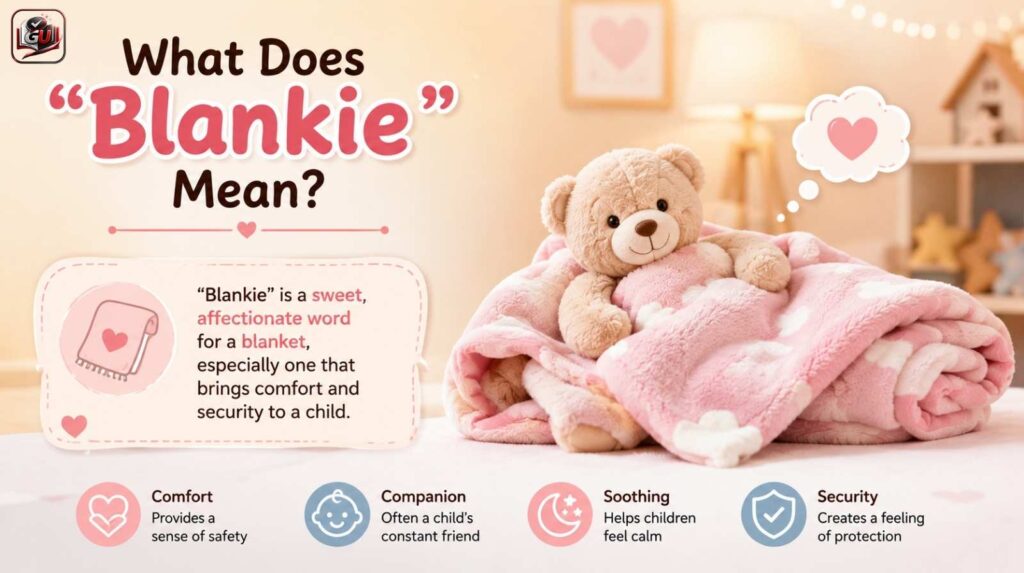
The word blankie is an informal and affectionate term for a blanket, especially one loved by a child. It is commonly used by parents and caregivers when talking to young children.
For example:
- “My daughter cannot sleep without her blankie.”
- “He carried his favorite blankie everywhere.”
The word creates a warm, emotional feeling because it sounds soft and comforting.
Why People Use the Word Blankie
People often use “blankie” because it sounds:
- Cute
- Friendly
- Childlike
- Comforting
It is commonly heard in:
- Parenting conversations
- Children’s books
- Family blogs
- Social media posts
- Casual speech
Is Blankie a Real Word?
Yes. While “blankie” is considered informal English, it is widely recognized and commonly used in everyday conversation. Many dictionaries and language resources accept it as a valid affectionate form of “blanket.”
According to language trend data from recent years, “blankie” appears far more often online than “blanky.”
What Does “Blanky” Mean?
The spelling blanky has the same intended meaning as “blankie.” It also refers to a comforting blanket, usually belonging to a child.
Examples include:
- “Where is your blanky?”
- “She hugs her blanky before bedtime.”
However, “blanky” is much less common.
Why “Blanky” Is Less Popular
Most native English speakers naturally prefer “blankie” because:
- It follows common English nickname spelling patterns.
- It looks softer and more natural.
- It resembles other affectionate words like:
- Doggie
- Kitty
- Sweetie
In contrast, “blanky” can appear incomplete or less polished.
Is Blanky Incorrect?
Not exactly. “Blanky” is not grammatically wrong, but it is considered a less common alternative spelling. Some families or regional communities may still use it regularly.
However, for professional writing, blogs, or SEO content, “blankie” is generally the safer and more recognized option.
Blankie vs Blanky: Main Difference Explained
The primary difference between Blankie vs Blanky is not meaning but spelling preference and popularity.
| Feature | Blankie | Blanky |
|---|---|---|
| Meaning | Child’s comforting blanket | Same meaning |
| Popularity | Very common | Less common |
| Tone | Softer and more natural | More informal |
| Preferred Usage | Recommended | Alternative spelling |
| Seen in Dictionaries | More often | Rarely |
Which Spelling Should You Use?
If you want the safest and most accepted spelling, use blankie.
Use “blanky” only if:
- It is a family nickname
- You are matching a character’s speech
- A brand intentionally uses that spelling
Why “Blankie” Became More Popular
Language trends often depend on sound, readability, and emotional connection. Over time, “blankie” became the preferred spelling because it feels more natural in English pronunciation.
Similar English Word Patterns
Here are examples of similar affectionate words:
| Standard Word | Cute Version |
|---|---|
| Dog | Doggie |
| Cat | Kitty |
| Sweet | Sweetie |
| Blanket | Blankie |
Notice how many affectionate English words end in -ie or -y, but the -ie version often looks softer and more complete.
Influence of Parenting Culture
Parenting blogs, children’s TV shows, and social media also helped increase the popularity of “blankie.”
Modern parenting communities frequently use phrases such as:
- Security blankie
- Favorite blankie
- Baby blankie
Because these phrases appear often online, search engines now associate “blankie” with standard informal usage.
Blankie vs Blanky in Real-Life Usage
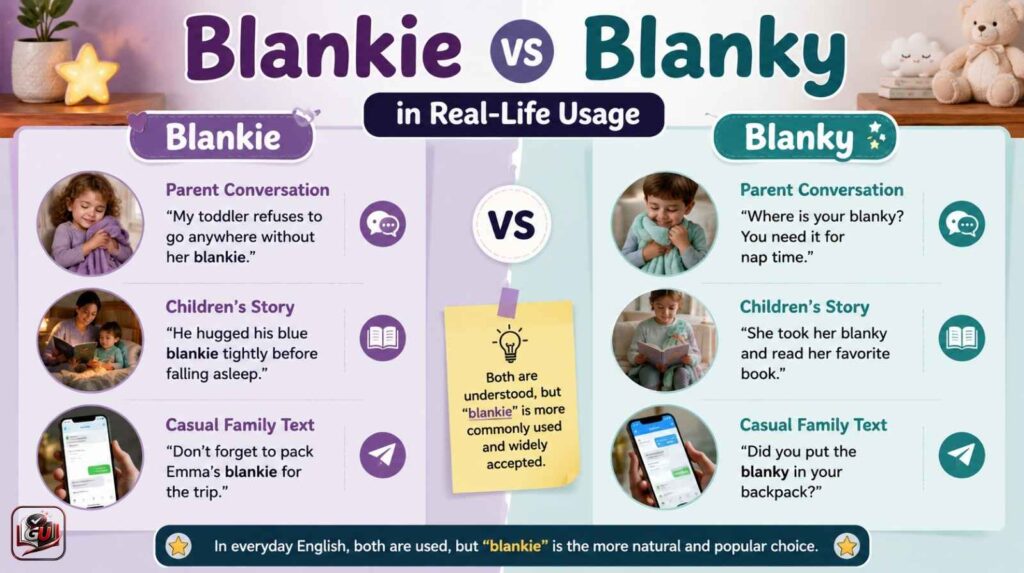
Understanding real-life context helps you use these words naturally.
Example 1: Parent Conversation
Correct and natural:
“My toddler refuses to travel without her blankie.”
Less common:
“My toddler refuses to travel without her blanky.”
Example 2: Children’s Story
Natural style:
“Tommy hugged his blue blankie tightly before bed.”
Example 3: Casual Family Text
Both can work casually:
- “Did you pack Emma’s blankie?”
- “Did you pack Emma’s blanky?”
However, the first version still feels more standard.
Real-Life Case Study: How One Parenting Blog Increased Traffic Using “Blankie”
In 2025, a small parenting blog focused on toddler sleep routines noticed declining search traffic. The blog owner had published several articles using the spelling “blanky,” including titles like:
- “How to Wash a Baby Blanky”
- “Best Blanky for Toddlers”
Despite good content quality, the articles struggled to rank on Google.
After performing keyword research using SEO tools, the owner discovered that users searched for “blankie” significantly more often than “blanky.” The blog then updated:
- Article titles
- Meta descriptions
- Image alt text
- Internal links
- Headings
For example:
- “Best Blankie for Toddlers”
- “How to Clean a Child’s Blankie Safely”
Within three months, organic traffic increased noticeably because the content matched common search behavior more accurately.
This example shows how small spelling choices can influence:
- SEO rankings
- Reader trust
- Search visibility
- Click-through rates
For bloggers and website owners, using the more recognized spelling can make a real difference.
2025–2026 Language Trends and Search Data
Recent search behavior shows that “blankie” continues to dominate online usage.
Key Language Trends
According to SEO trend analysis and search behavior studies from 2025–2026:
- “Blankie” receives substantially higher monthly searches.
- Parenting forums prefer “blankie.”
- Online retailers commonly use “baby blankie.”
- Social media hashtags favor #blankie over #blanky.
Why Search Engines Prefer Common Spellings
Search engines prioritize:
- Common language patterns
- User search intent
- Recognized spelling behavior
- Natural readability
Therefore, content using “blankie” often performs better in organic search results.
Expert Insight
Language experts explain that spelling popularity usually develops through repeated cultural usage rather than strict grammar rules. As more parents, authors, and brands use “blankie,” it becomes the dominant variation.
Common Mistakes Related to “Blankie” and “Blanky”
People frequently make avoidable mistakes when using these terms.
Mistake 1: Assuming Blanky Is the Official Spelling
Many believe “blanky” is more correct because it looks simpler. However, actual usage data shows “blankie” is more accepted.
Mistake 2: Using Both Spellings in One Article
Consistency matters for:
- SEO
- Readability
- Professionalism
Choose one spelling and stay consistent throughout your content.
Mistake 3: Using Informal Words in Formal Writing
Remember that both “blankie” and “blanky” are informal. In professional or academic writing, use:
- Blanket
- Comfort blanket
- Security blanket
instead.
How to Remember the Correct Spelling
A simple trick can help you remember the preferred version.
Easy Memory Tip
Think about other affectionate words ending in -ie:
- Sweetie
- Doggie
- Cutie
Because “blankie” follows the same emotional pattern, it feels more natural in English.
Quick Reminder Checklist
Use blankie when:
✔ Writing blog posts
✔ Creating SEO content
✔ Posting on parenting websites
✔ Writing children’s stories
✔ Using common modern English
Use blanky only when:
✔ Matching personal family usage
✔ Copying a brand name
✔ Writing stylized dialogue
Blankie vs Blanky in SEO Content
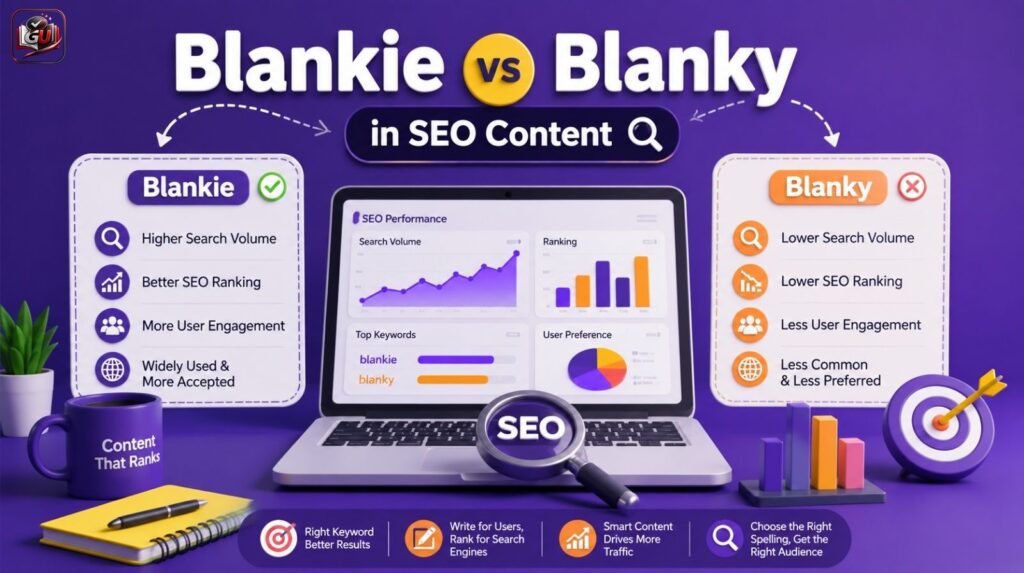
Writers and bloggers should understand how spelling affects search visibility.
Why SEO Prefers “Blankie”
The spelling “blankie” generally performs better because:
- It matches user search intent.
- It has higher search frequency.
- It appears more naturally in parenting content.
Best SEO Practices
If your article targets this keyword, include:
- Blankie vs Blanky
- What is a blankie?
- Blankie meaning
- Security blankie
- Baby blankie
However, avoid keyword stuffing. Natural writing always performs better for readers and search engines.
Example of Natural Keyword Usage
Good:
“Parents often choose soft cotton blankies for bedtime comfort.”
Bad:
“Blankie blankie blankie is the best blankie.”
Frequently Asked Questions
Q. Is blankie or blanky correct?
A: Both are understandable, but blankie is the more commonly accepted and widely used spelling.
Q. What does blankie mean?
A: A blankie is an affectionate term for a child’s comforting blanket.
Q. Why do children love blankies?
A: Children often associate blankies with comfort, security, warmth, and emotional safety.
Q. Is blanky a dictionary word?
A: Some informal language sources recognize it, but it is much less common than “blankie.”
Q. Which spelling is better for SEO?
A: “Blankie” is usually better because it has stronger search popularity and user recognition.
Q. Can adults use the word blankie?
A: Yes. Adults often use it humorously, affectionately, or when speaking to children.
Q. Are blankie and security blanket the same?
A: A blankie is usually a type of security blanket, especially for babies and toddlers.
Expert References and Sources
For additional language and writing guidance, these trusted resources may help:
Conclusion
Understanding the difference between Blankie vs Blanky is actually quite simple once you look at modern English usage. Both words describe a comforting blanket, usually for a child, but blankie is clearly the more popular and widely accepted spelling.
It sounds more natural, appears more frequently online, and aligns with common affectionate English word patterns. Meanwhile, “blanky” remains an alternative spelling used mainly in personal or casual contexts.
If you are writing content, creating blog posts, or simply trying to use correct modern English, choosing blankie is usually the best option.
Now that you know the difference, you can confidently use the correct spelling in conversations, parenting content, social media posts, and professional writing.
👉Keep learning with more easy grammar lessons on GrammerUpdate.com

Noor Fatima is a professional blogger specializing in spelling correction and grammar guidance. She creates clear, practical content to help readers avoid common mistakes, strengthen writing skills, and communicate with confidence in everyday and professional settings.